Common Mistakes Homeowners Make With DIY Hardwood Floor Installation
Homeowners seeking to avoid common mistakes with DIY hardwood floor installation can benefit from local contractors who specialize in professional, hassle-free flooring services.
Homeowners considering DIY hardwood floor installation often underestimate the complexity involved, leading to common mistakes that can impact the durability and appearance of the finished floor. If you're exploring this project, you're in the right place to find practical insights and guidance. Many property owners in the area turn to experienced local contractors to ensure their hardwood floors are installed correctly the first time, avoiding costly errors and uneven results. Keep reading to learn about some typical pitfalls and how professional services can help achieve a flawless finish.
Understanding the common mistakes homeowners make with DIY hardwood floor installation can save time, money, and frustration. From improper subfloor preparation to incorrect acclimation of the wood, these issues can compromise the longevity of the flooring. Local service providers who specialize in hardwood installation are well-equipped to handle these challenges, providing expertise that helps ensure the job is done right. Continuing to explore this topic can reveal valuable tips and why partnering with experienced professionals might be the best choice for your project.
- Hardwood floor installation - homeowners may need this service when attempting a DIY project without proper planning or subfloor preparation, which local contractors can expertly manage.
- Hardwood floor installation - those who overlook acclimating wood to indoor conditions often face issues with expansion or contraction, and local service providers ensure proper acclimatization procedures.
- Hardwood floor installation - individuals unfamiliar with correct installation techniques might encounter uneven surfaces or gaps, which local pros can correct with professional finishing.
- Hardwood floor installation - when DIYers neglect to use the right adhesives or fasteners, resulting in unstable flooring, local contractors apply industry-standard materials for durability.
- Hardwood floor installation - homeowners who skip proper moisture barrier installation risk future damage, a problem local service providers address through proper moisture control methods.
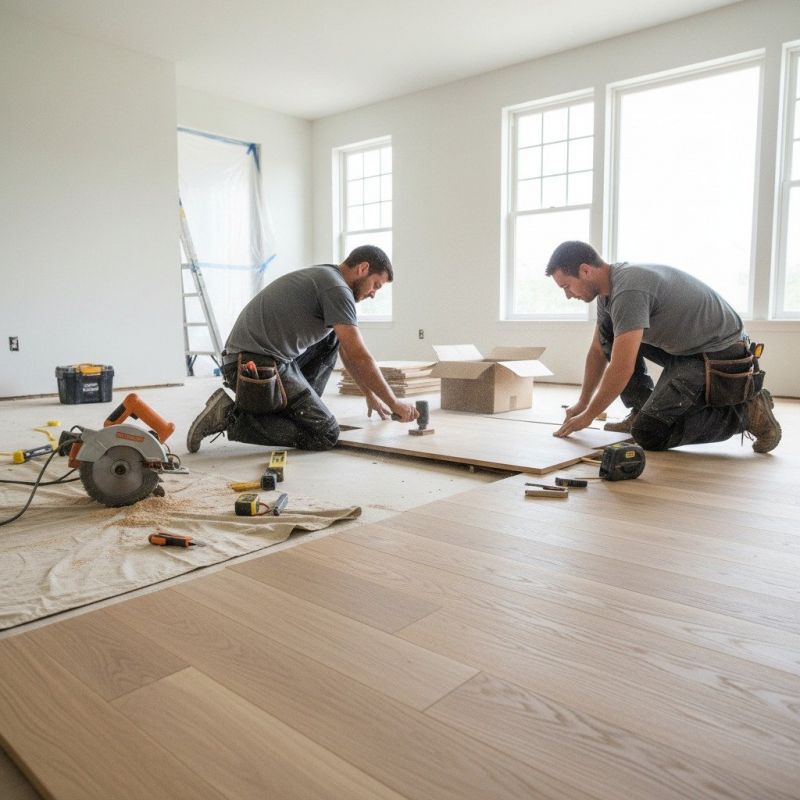
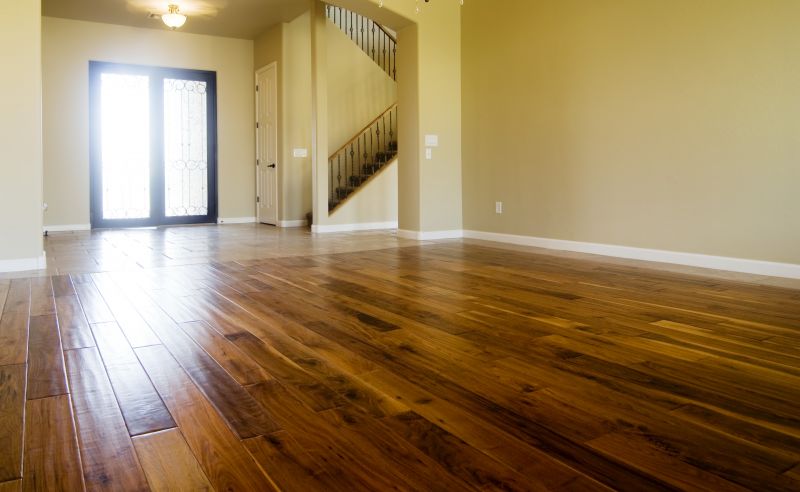
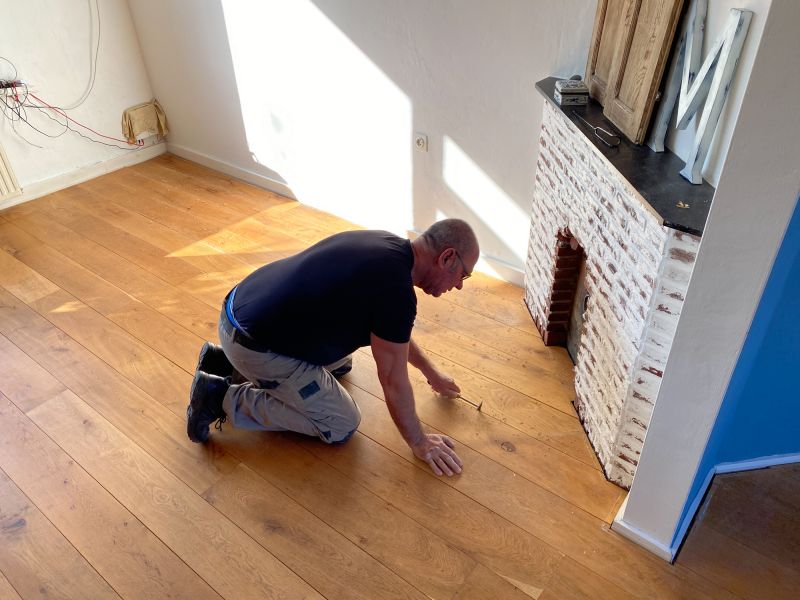
Many homeowners searching for information on common mistakes with DIY hardwood floor installation are typically trying to understand how to avoid costly errors when undertaking this project themselves. These searches often stem from plans to upgrade or renovate a home, especially in properties where flooring plays a significant role in the overall aesthetic and value. People may be considering a DIY approach to save money or enjoy a hands-on project, but they want to ensure they don’t make mistakes that could compromise the durability, appearance, or safety of their new floors. Understanding the common pitfalls can help homeowners recognize when professional help might be necessary to achieve a high-quality result.
The types of problems associated with DIY hardwood floor installation often involve issues like improper subfloor preparation, incorrect acclimation of the wood, or poor installation techniques. These mistakes can lead to problems such as gaps, buckling, or uneven surfaces that diminish the visual appeal and longevity of the floors. Many property owners planning to install hardwood in their homes or small commercial spaces may overlook the importance of proper measurement, moisture control, or the right tools, which can result in a finished product that falls short of expectations. Recognizing these potential issues highlights the value of consulting with experienced service providers who understand the nuances of hardwood flooring.
Properties that typically come into play with DIY hardwood floor installation include single-family homes, townhouses, and small apartment units. These residential spaces often feature existing subfloors that require careful assessment and preparation before new flooring can be installed. Homeowners might also attempt to install hardwood in spaces with complex layouts or irregular room sizes, which can complicate the process. In such cases, mistakes like improper layout planning or failure to account for expansion gaps can cause problems down the line. For these projects, the expertise of local contractors familiar with the specific needs of different property types can help ensure a smooth installation process.
Understanding how common mistakes with DIY hardwood floor installation relate to real projects underscores the importance of working with local service providers. These professionals bring experience in assessing property conditions, selecting appropriate materials, and applying proper installation techniques. They can help homeowners avoid pitfalls associated with inadequate preparation or incorrect procedures, ultimately delivering a durable and attractive result. For property owners considering a hardwood flooring upgrade, connecting with local contractors can provide peace of mind and ensure the project aligns with the specific requirements of their property, avoiding costly errors and enhancing the overall quality of the finished floors.
Subfloor Preparation Projects - proper subfloor prep is essential for hardwood flooring, and local contractors who specialize in subfloor leveling and moisture testing can help prevent common mistakes homeowners make with DIY installation.
Flooring Demolition and Removal - removing old flooring correctly ensures a smooth surface for new hardwood, and experienced service providers can handle this process safely and efficiently, avoiding common DIY pitfalls.
Underlayment Installation Services - proper underlayment placement supports hardwood floors and prevents issues like squeaking or warping, with local pros offering expert guidance and installation.
Measuring and Layout Services - accurate measurements and layout planning are crucial for a professional finish, and local contractors can assist in avoiding miscalculations common in DIY projects.
Floor Sanding and Refinishing Projects - refinishing existing hardwood involves precise sanding and sealing, tasks best handled by local specialists to prevent mistakes that can compromise the floor’s appearance and durability.
Adhesive and Nail-down Installation Services - choosing the right fastening methods is key for stability, and local service providers can ensure proper installation techniques to avoid common DIY errors.
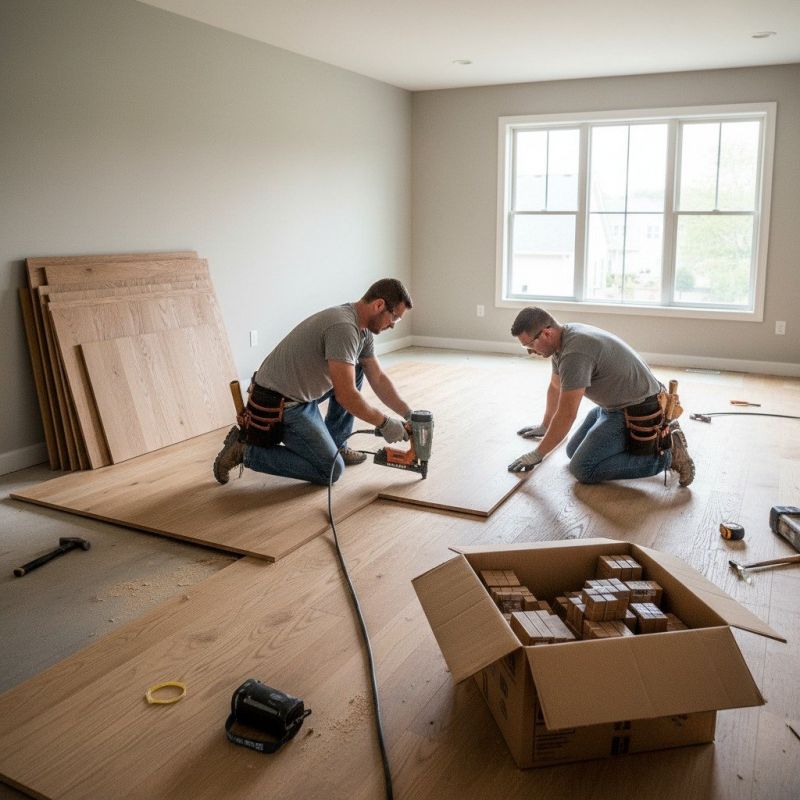
When evaluating local contractors for hardwood floor installation, it is important to consider their experience with similar projects. Homeowners should inquire about the types of hardwood flooring they have installed in the past and whether they have worked on projects comparable in size and complexity. An experienced service provider will be familiar with the common pitfalls associated with DIY hardwood floor installation and can offer insights that help prevent these mistakes. Checking references or reviews from previous clients can also provide a clearer picture of a contractor’s track record in delivering quality work and avoiding issues that often arise from inexperience.
Clear written expectations are essential when comparing local contractors for hardwood floor installation. Homeowners should seek detailed proposals that outline the scope of work, materials to be used, and the projected timeline. This helps ensure that both parties share a common understanding of the project’s requirements and reduces the risk of misunderstandings or overlooked details that could lead to costly errors. Service providers who communicate their plans clearly and are willing to answer questions demonstrate professionalism and a commitment to transparency, which can be crucial in avoiding common mistakes associated with DIY projects.
Reputable references and good communication are key factors when choosing local service providers for hardwood flooring. Contactting previous clients or reading reviews can reveal how well a contractor manages projects and addresses potential issues. A contractor who maintains open lines of communication and responds promptly to questions can help homeowners navigate uncertainties and ensure the project stays on track. This level of engagement often indicates a dedication to quality and customer satisfaction, which can be especially valuable for homeowners looking to avoid the common mistakes made with DIY hardwood floor installation by relying on experienced professionals.
Property owners often search for common mistakes homeowners make with DIY hardwood floor installation when they are planning practical projects around their homes and businesses. Local pros provide Hardwood Floor Installation services for everyday jobs and straightforward project options.
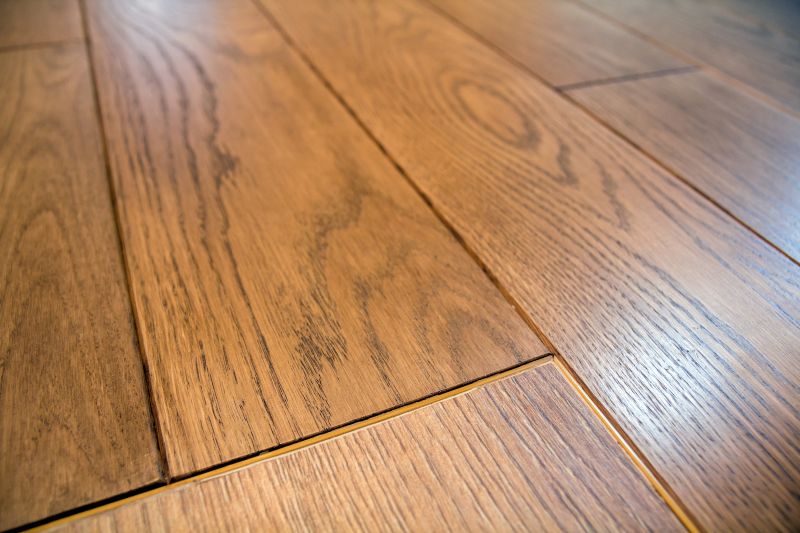
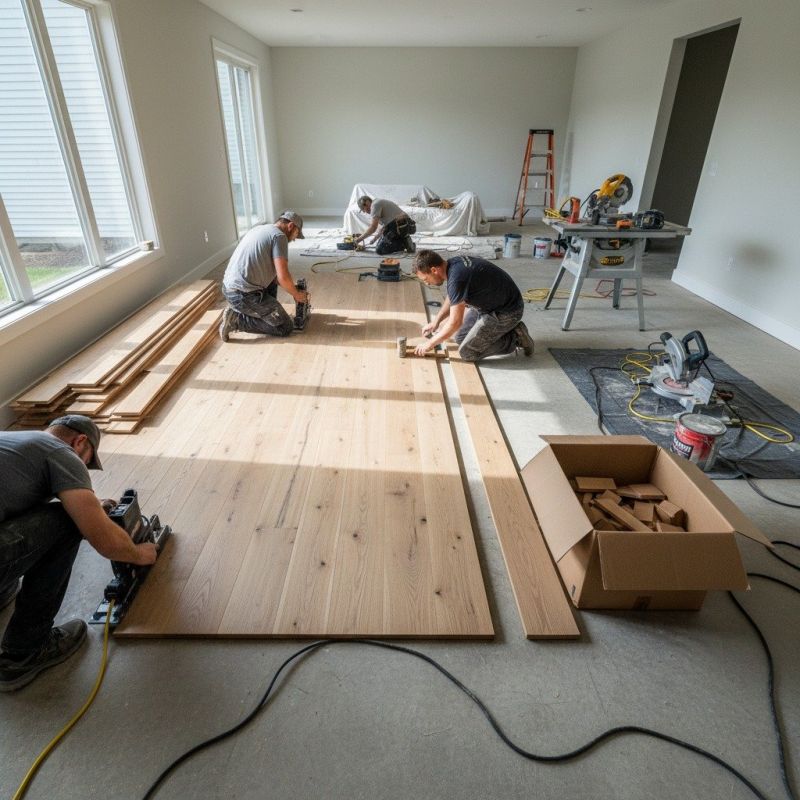
Homeowners attempting DIY hardwood floor installation often encounter common mistakes that can impact the final look and durability of the flooring. One frequent error is improper subfloor preparation, which can lead to uneven surfaces or excessive movement in the finished floor. Many property owners might overlook the importance of ensuring a clean, level, and stable subfloor before laying down the hardwood, resulting in issues down the line. Local contractors specializing in hardwood installation can assess and prepare the subfloor properly, helping to avoid these pitfalls and ensuring a smooth, long-lasting result.
Another typical mistake involves incorrect acclimation of the hardwood planks. Failing to allow the wood to adjust to the home's humidity and temperature conditions can cause gaps, buckling, or warping after installation. Homeowners often underestimate the importance of this step, which can compromise the integrity of the flooring over time. Engaging with experienced service providers can ensure that the hardwood is properly acclimated and installed with the right techniques, reducing the risk of costly mistakes and helping to achieve a professional-quality finish.
What is a common mistake homeowners make when preparing subflooring for hardwood installation? Many homeowners overlook the importance of properly leveling and cleaning the subfloor, which local contractors can ensure to prevent issues like uneven surfaces or squeaking floors during installation.
Why is choosing the wrong type of hardwood flooring a mistake? Selecting inappropriate hardwood for the home's environment or usage can lead to problems such as warping or excessive expansion; experienced service providers can recommend the best options for specific conditions.
How can improper acclimation affect DIY hardwood floor installation? Failing to acclimate the hardwood planks to the indoor environment can cause expansion or contraction after installation, a mistake that local pros can help avoid by properly adjusting the flooring before installation.
What errors are common when laying out the flooring pattern? Poor planning of the layout can result in uneven borders or awkward seams; professional contractors can assist with precise planning and layout to ensure a visually appealing result.
Why is neglecting proper adhesive or nail application a mistake? Using incorrect techniques or materials can compromise the stability and durability of the floor; local service providers have the expertise to apply adhesives and nails correctly for a secure, long-lasting installation.
Skipping proper subfloor preparation - ensuring the subfloor is clean, level, and dry helps prevent future issues like warping or squeaking, and local contractors can handle this step effectively.
Ignoring acclimation of hardwood materials - allowing flooring to adjust to the home's environment reduces expansion or contraction, a task best managed by experienced service providers.
Using incorrect installation techniques - improper nailing, stapling, or adhesive application can cause uneven surfaces, and professional installers can ensure proper methods are used.
Overlooking expansion gaps - leaving appropriate space around the room's perimeter accommodates natural wood movement, a detail that local pros can expertly incorporate into the project.
If you are thinking about common mistakes homeowners make with DIY hardwood floor installation for a property, this guide is meant to help you understand this topic, the typical project types, and how different options might fit your plans.
When you are ready, you can use the quote form on this page to share a few details about your project. From there, local pros can review the basics and follow up with options that match what you have in mind.